Impact Assessment, Compliance & Delivery
Structured deer impact management aligned with woodland objectives, habitat protection and funding requirements.
Why Deer Impact Assessment Is Now Essential
Across England, deer impacts are directly affecting woodland establishment, natural regeneration and habitat recovery. Where land is supported by public funding or subject to environmental objectives, there is an increasing expectation that deer pressure is actively managed and evidenced.
Deer management is no longer simply about numbers. It is about measurable impact, defensible strategy and structured delivery.
The most recent government Deer Impacts Policy Statement highlights unmanaged deer pressure as a key risk to woodland establishment and habitat resilience across England.
The two assessments most landowners and woodland managers will need
Deer Impact Assessment (DIA) – A field-based evaluation of the current level of deer activity across your site. It identifies the species present, maps ranging behaviour and pressure, and records the scale and type of damage to vegetation, regeneration and habitat. This is the diagnostic tool: it tells you what you are dealing with and provides the baseline evidence required for a Deer Management Plan, CWS1 application, or PA7 Species Management Plan.
Habitat Impact Assessment (HIA) – A structured survey of your woodland measuring the effect deer are having on vegetation, ground flora and natural regeneration over time. Results are graded and recorded against fixed photographic monitoring points. Under CWS1 and WS1 grant agreements, an annual HIA is a formal compliance requirement for the duration of your agreement. It is not a one-off exercise but an ongoing evidence record that demonstrates delivery year on year and protects your grant position at review.
Deer Management Services provides both, with clear written outputs aligned to Forestry Commission and Natural England requirements.
What We Assess
Comprehensive Site Based Assessment
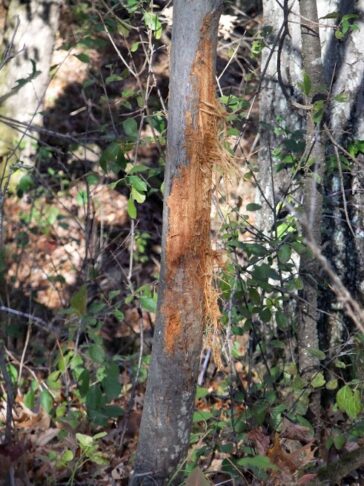
We undertake structured deer impact reviews tailored to your landholding, delivered as either a Deer Impact Assessment or Habitat Impact Assessment depending on the purpose and grant context. Assessments consider:
- Species presence and population indicators
- Browsing and bark damage levels
- Impact on regeneration and ground flora
- Risk to newly planted or grant funded woodland
- Landscape pressures and boundary considerations
- Long term sustainability of current management
Each assessment results in a clear written report outlining current impact levels and practical recommendations.
The aim is clarity, not complexity.
Compliance Support
Grant & Regulatory Compliance Support
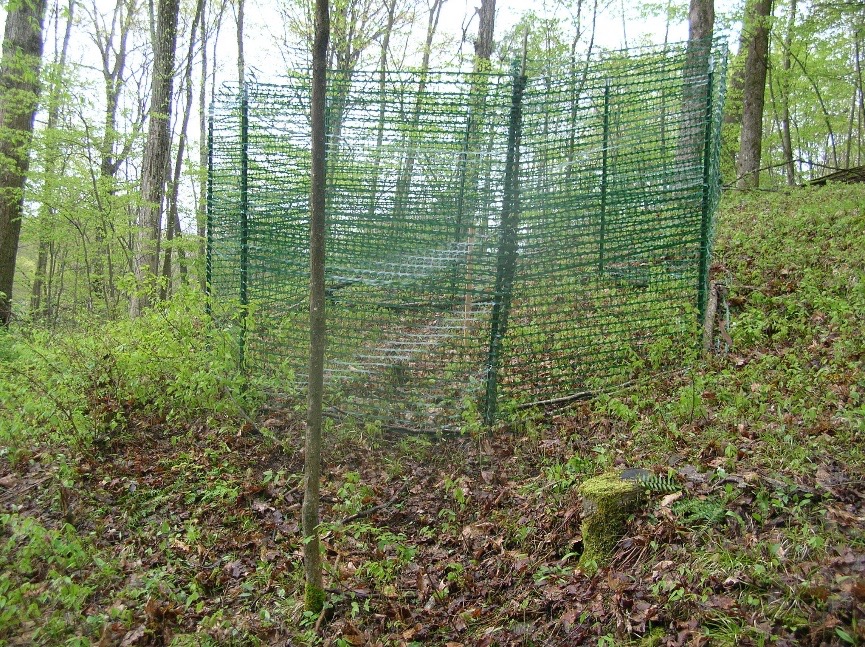
Where woodland or habitat projects are linked to funding schemes, deer management must support delivery objectives. This service is particularly relevant to landowners with active or pending CWS1 or WS1 Countryside Stewardship agreements, where structured assessment and annual reporting are formal requirements.
We assist landowners in demonstrating:
- Active deer management aligned with scheme requirements
- Structured cull strategy linked to impact reduction
- Monitoring and review frameworks
- Evidence based reporting
- Annual performance review where required
Clear documentation protects both your woodland investment and your funding position.

Delivery On The Ground
Professional Deer Management Delivery
Assessment alone achieves little without implementation.
We provide structured and humane deer control aligned with agreed strategy, including:
- Targeted population reduction
- Species specific management
- Night or seasonal control where appropriate
- Coordination across neighbouring landholdings
- Integration with existing Deer Management Plans
All work is conducted in accordance with current legislation and recognised best practice.
Where appropriate, night operations are conducted under the Natural England CL55 framework as part of structured deer impact mitigation.

Landscape Level Approach
Long Term Impact Reduction
Deer impacts rarely stop at boundary lines.
Where required, we support coordinated management across estates and adjoining land to achieve sustained reduction in browsing pressure and long term habitat recovery.
The focus is resilience, not short term intervention.
Who This Service Supports
Suitable For
This service is particularly relevant to:
• Estates managing woodland creation projects
• Landowners involved in environmental funding schemes
• Forestry operations experiencing regeneration failure
• Properties affected by sustained browsing pressure
• Clients requiring structured reporting and defensible management
Next Steps
Arrange an Initial Review
If deer impacts are affecting your woodland objectives, or if you require structured compliance support, we are available to discuss your position and outline a clear management pathway.
Assessment services are available from £350. Full pricing is available on our pricing page.
Contact Deer Management Services to arrange an initial consultation.
Professional qualifications, formal training and field experience underpin all advisory and operational work undertaken by
Deer Management Services.

Tel : +44 7808 911645
Email : ds@deermanagementservices.co.uk